
 By admin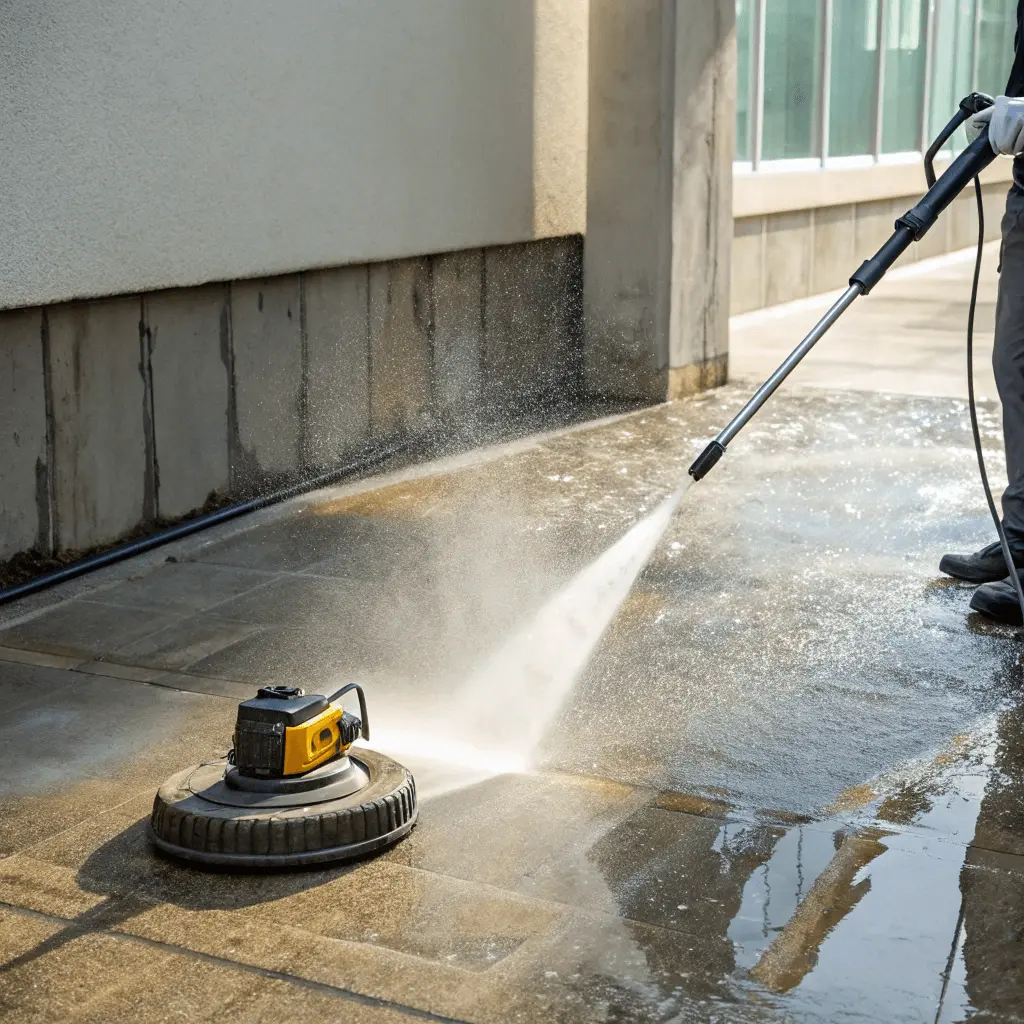
Outdoor areas can become the highlight of your home, provided you maintain them with the right cleaning tools. Walkways, patios, decks, and exterior walls often need more than a quick rinse to maintain their appearance, and this is where a pressure washer can make a noticeable difference.
A pressure washer uses a powerful stream of water to loosen dirt and stubborn buildup. It helps remove grime from hard surfaces and refresh outdoor spaces more effectively than regular washing.
However, getting the best results depends on using the right approach. Let’s explore some practical pressure-washing tips and tricks to help you clean efficiently and safely.
10 Pressure Washing Tips and Tricks
1. Select Appropriate Pressure Level
Different surfaces respond differently to varying pressure during washing. Using excessive force can damage materials such as wood, paint, or siding, while low pressure may not clean as deeply.
Choosing the right pressure washing level is essential to achieve desired results. For instance,
- Low-pressure settings are suitable for delicate surfaces like cars and garden furniture.
- Moderate pressure works well for patios, terraces, fencing, and decks.
- Higher pressure is more effective for tougher surfaces such as concrete driveways and stone areas.
It is always best to test the pressure on a small and less visible spot before starting the cleaning process.
2. Begin with a Clear Surface
Loose material, such as leaves, dirt, or twigs, should be cleared before you start pressure washing. The clean area allows water to flow without early clogs, helping prevent fragments from entering edges or outlets.
3. Choose the Correct Nozzle
Most pressure washing units, including electric pressure washers, come with different nozzle options, and each creates a different spray angle. This affects both the cleaning strength and the surface area covered. Typical nozzle types include:
- Zero-degree nozzle: Produces a concentrated stream that works well on stubborn stains.
- 25-degree nozzle: A common choice for general outdoor cleaning tasks.
- 40-degree nozzle: Creates a wider, gentler spray that is better suited for more delicate surfaces.
4. Use a Cleaning Solution When Needed
When it comes to tough stains like grease and oil, water alone is not enough. In such cases, you should try a suitable cleaning solution to help break down stubborn deposits before washing them away.
Ensure the cleaner is compatible with your pressure washing equipment. Using the right product improves cleaning results and also helps protect the surface.
5. Maintain a Steady Distance
Excessive pressure may be applied if you hold the spray wand too close to the area. This can not only damage the surface but also render cleaning ineffective. On the other hand, standing too long may not properly remove the stains, so they may not go away. This is why you must find the right distance and stick to it.
A good starting point is to keep the nozzle about 12–24 inches from the surface. You can gradually adjust the distance based on how the surface responds and how easily the dirt is removed.
6. Clean with Steady Overlapping Motions
Start at one edge of the area and move the spray wand in a slow, steady motion. Working in a consistent rhythm helps ensure the surface is cleaned evenly.
Slightly overlap each pass as you move across the area. This prevents streaks and ensures that every section receives the same level of cleaning. Dividing larger surfaces into smaller sections can also make the task easier to manage.
7. Work from Top to Bottom
When using a pressure washer, start cleaning from the highest point of the surface, like the top of a wall, siding, or fence and then move gradually downward.
This method allows water and loosened dirt to flow naturally, helping prevent streaks and uneven patches. It also keeps you from re-cleaning areas that have already been washed.
8. Protect Nearby Plants and Surfaces
The strong water stream and cleaning solutions used during pressure washing can affect nearby plants, furniture, and decorative items. Without proper care, these items may get damaged or exposed to excess water and chemicals.
Before starting, it helps to take a few simple precautions:
- Cover delicate plants to shield them from the spray
- Move outdoor furniture and decorative items away from the area
- Close nearby windows and doors to prevent water from entering indoors
9. Schedule Cleaning with Outdoor Maintenance
Regular cleaning often works better than waiting until dirt and grime build up over time. One of the most useful pressure washing tips is to include it as part of your routine outdoor maintenance. This not only improves the appearance of outdoor areas but also helps prevent long-term buildup on surfaces.
10. Practice Safe Usage
Pressure washers are powerful tools, so they should always be used with care. Proper handling improves cleaning results and prevents injuries or surface damage. Some basic safety practices include:
- Wearing closed-toe shoes and protective eyewear
- Keeping hands and feet away from the spray stream
- Avoiding the use of ladders while operating high-pressure equipment
- Reading the equipment instructions before starting
Conclusion
Pressure washing is an easy way to clean outdoor spaces and improve your home’s appearance. It can help remove dirt from areas like walkways, patios, and exterior walls, making them look cleaner and brighter. Preparing the area before starting and choosing the right settings can also make the cleaning process easier and more effective.