 By admin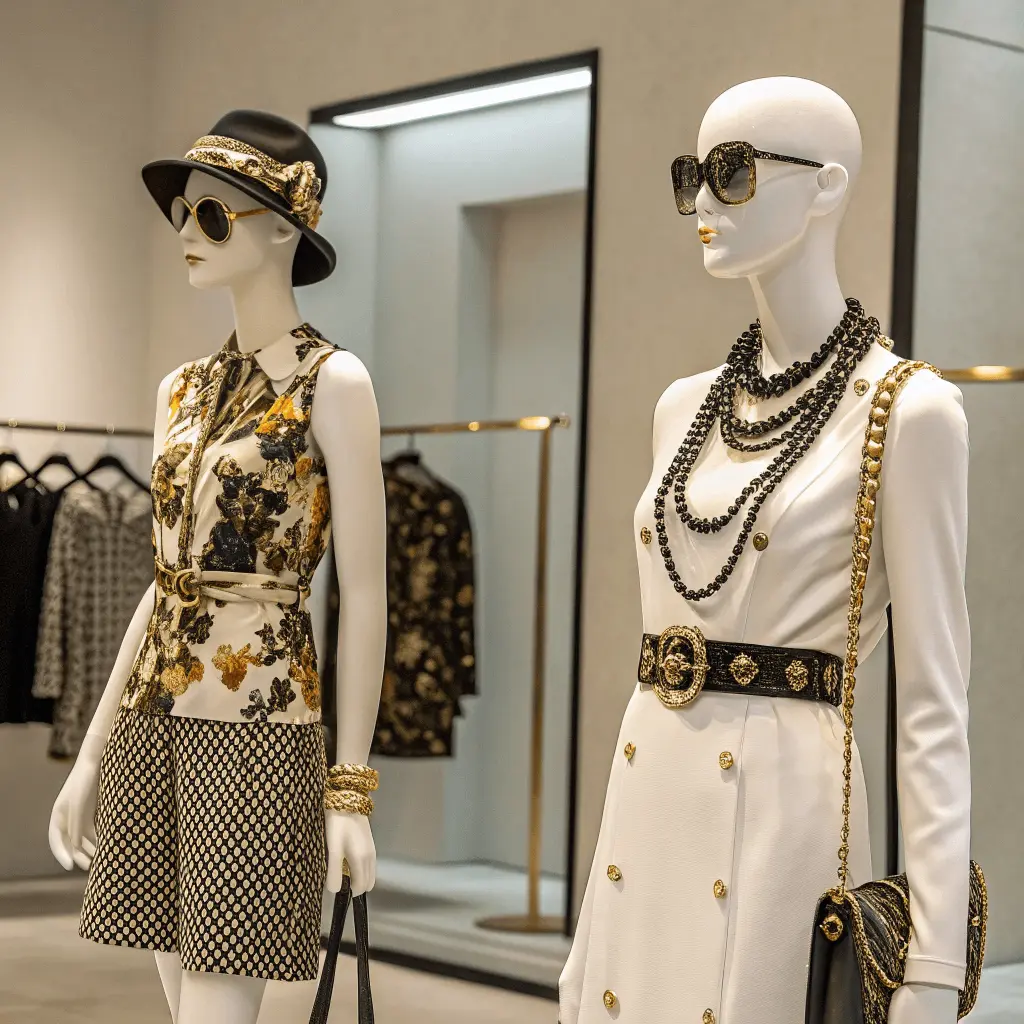
Getting dressed should feel intuitive, yet many wardrobes are plagued by a tendency to pile on elements until the overall effect becomes cluttered rather than chic. The line between a well-assembled outfit and one that screams “trying too hard” is surprisingly thin. Fashion across New Zealand ranges from relaxed coastal aesthetics to sharp urban looks, but regardless of personal style, certain missteps consistently push outfits past the tipping point. Understanding these common errors is the first step toward building looks that feel intentional without appearing labored. What follows is a breakdown of the most frequent culprits behind overdone ensembles and the reasoning behind why simplicity often wins.
Mixing Too Many Statement Pieces at Once
A statement piece exists to anchor an outfit and draw the eye. When two or three bold items compete for attention simultaneously, the result is visual noise rather than a cohesive look. A sequined top paired with printed trousers and oversized jewellery creates confusion about where the focal point should be, and the wearer ends up looking busier than intended. The rule of thumb is straightforward: let one item do the talking while everything else plays a supporting role.
This principle applies to colour as well as texture and pattern. Wearing a brightly coloured blazer works beautifully against neutral basics, but combining it with equally vivid shoes and a patterned scarf fragments the outfit’s visual story. The human eye naturally seeks a resting point, and outfits that deny it that pause tend to feel exhausting to look at. Choosing one hero piece per outfit and building everything else around it in complementary, quieter tones produces a far more polished result.
Over-Accessorising and Jewellery Overload
A more effective approach involves selecting accessories that share a cohesive metal tone or colour family and limiting the number of focal points. Three delicate gold necklaces layered together can look elegant, but adding chunky bracelets and statement earrings alongside them begins to overwhelm. Much like in other areas where balance matters, whether curating a playlist or even exploring options like a MrBet no deposit bonus in the gaming world, the key lies in knowing when to stop adding and when to let what already exists speak for itself. This restraint helps each chosen accessory feel intentional rather than lost in visual competition.
Accessories are meant to refine an outfit, not overpower it. Stacking rings on every finger, layering multiple chains of varying lengths, and adding a belt, scarf, hat, and sunglasses all at once transforms even the simplest clothing into a costume. The problem is not with any single accessory but with the cumulative weight of them all together. Each additional piece reduces the impact of every other piece, creating a diminishing return that ultimately cheapens the overall look.
Relying on Logos and Branding as Style
Visible logos became a dominant trend during the early days of streetwear culture and have cycled in and out of fashion ever since. While a single branded item can serve as a deliberate style choice, head-to-toe logo coverage rarely communicates taste. Instead, it tends to suggest that the outfit relies on brand recognition rather than actual design sensibility. True style operates independently of labels, and the most well-dressed individuals often wear pieces that are recognisable for their cut and quality rather than their branding. The following mistakes related to logo use are particularly common and worth keeping in mind:
- Matching a branded belt with the same brand’s bag and shoes, which looks coordinated in theory but reads as a billboard in practice.
- Wearing counterfeit logo items, which undermine credibility and often feature obviously incorrect fonts or proportions.
- Choosing logo-heavy basics like t-shirts and caps from multiple brands within the same outfit, creating brand confusion.
- Prioritising visible branding over fit, which leads to poorly tailored garments chosen solely for their label appeal.
When Formal and Casual Elements Clash Badly
Mixing dressy and casual pieces is a legitimate styling technique, but it requires a careful hand. Pairing a tailored blazer with clean sneakers can look sharp and modern, but combining a ball gown skirt with a graphic tee and flip-flops reads as disjointed rather than fashion-forward. The issue lies in the degree of contrast between items. Successful high-low mixing keeps the formality gap narrow enough that the outfit reads as intentional. The table below illustrates combinations that work versus those that tend to feel overdone or mismatched.
| Balanced Combination | Overdone Combination |
| Blazer with well-fitted jeans | Sequined dress with hiking boots |
| Silk blouse with tailored shorts | Tuxedo jacket with sweatpants |
| Leather loafers with chinos | Stilettos with athletic leggings |
| Cashmere knit with denim skirt | Ballgown fabric with denim vest |
The Power of Restraint in Personal Style
Building a wardrobe that feels effortless rather than overdone ultimately comes down to editing. The strongest outfits are those where something was deliberately left out, not those where everything was thrown in. Mastering restraint means trusting that fewer, well-chosen elements will always communicate more sophistication than excess. In a fashion landscape that constantly encourages addition, subtraction remains the most underrated styling tool available.